

You’ve been named in a will, or you believe you should have been, and now someone is challenging the process. It’s a stressful situation, and you’re not alone. Contested probate cases happen more often than most people realize, and they can turn an already difficult time into a drawn-out legal battle.
Yes, probate can be contested. When that happens, it can delay or significantly change how assets are distributed among heirs and beneficiaries. The dispute might center on whether the will was valid, whether someone had too much influence over the deceased, or whether the assets are being handled fairly.
This article will walk you through everything you need to know: when and how probate can be contested, what the time limits look like, what happens to the estate during a dispute, and what options you have if you need funds while things are still unresolved.
Can Probate Be Contested?
Yes, probate can absolutely be contested, and it happens in courts across the country every day. Contesting probate means formally challenging either the validity of a will or the way the estate is being administered. This challenge is filed in probate court and triggers a legal review process.
There are several grounds on which someone can contest a will or the probate process. The most common include:
- Lack of mental capacity: The person who wrote the will didn’t fully understand what they were signing at the time.
- Undue influence: Someone pressured or manipulated the deceased into changing their will.
- Fraud: The will was obtained through deception or misrepresentation.
- Improper execution: The will wasn’t signed, witnessed, or notarized correctly under state law.
Each of these grounds requires evidence and legal argument. Simply feeling that a distribution is unfair is generally not enough on its own. There has to be a recognized legal basis for the challenge.
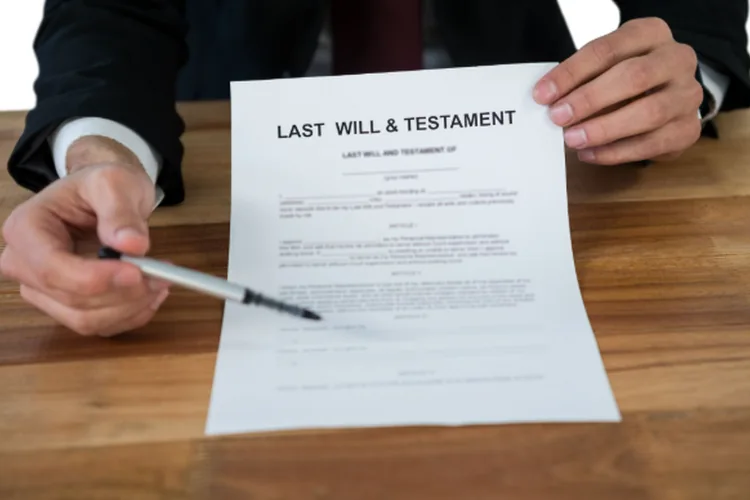
Can a Will Be Contested After Probate?
Yes, a will can be contested after probate has begun, but there are strict legal deadlines that limit how long you have to act. These deadlines are set by individual states, and they vary considerably from one jurisdiction to the next.
Here are a few examples showing how the deadline can differ by state:
- California: 120 days after the will is admitted to probate.
- Arkansas: 3 months.
- Florida: 3 months.
- New York: 120 days.
- Arizona: 12 months.
Source: Super Lawyers, How Long Do I Have To Contest a Will?
Because the rules differ so much depending on where the estate is being administered, there is no single universal answer that applies everywhere.
Missing the deadline can mean losing your right to contest entirely. If you believe there are grounds to challenge a will, time is genuinely working against you.
The key takeaway here is straightforward: if you think a will or probate process should be challenged, speak with a probate attorney in your state as soon as possible. Waiting to “see how things play out” can cost you your legal standing.
How Long After Probate Can a Will Be Contested?
There is a limited window to contest a will after probate opens, and that window differs depending on which state the estate is being administered in. Deadlines vary widely across jurisdictions. Some states set relatively short windows while others allow longer periods, and some distinguish between different types of claims.
Because the rules are state-specific and can depend on factors like how and when notice was given to interested parties, there is no reliable general figure that applies everywhere.
What stays consistent across all states is this: acting quickly matters. The clock typically starts running from a specific triggering event, such as when the will is filed with the court or when formal notice is given to interested parties. Once that deadline passes, the right to contest is typically gone for good.
We strongly recommend consulting a probate attorney in the state where the estate is being handled. They can tell you exactly how much time you have and what steps need to happen before that deadline arrives.
How Does a Probate Dispute Affect the Timeline?
Probate already takes time under normal circumstances; the exact length depends heavily on the state, the size of the estate, and whether any complications arise. When probate is contested, that timeline can stretch significantly, sometimes into years. The more complex the dispute, the longer the process tends to run.
A contested probate case typically involves additional court hearings, depositions, legal motions, and sometimes mediation between the parties. Every new development adds time to an already slow process. Heirs who were expecting their inheritance within a reasonable period may find themselves waiting far longer than anticipated.
This delay has real consequences. Bills don’t pause because an estate is tied up in court. Mortgage payments, property taxes, and everyday expenses keep coming, even when your inheritance is frozen inside the legal system.
Who Can Contest a Will or Probate?
Not everyone has the legal standing to contest a will or the probate process. Only “interested parties” can bring a formal challenge. Courts are specific about this, and a challenge filed by someone without standing will typically be dismissed.
Interested parties generally include:
- Beneficiaries named in the current will
- Heirs who would have inherited under a prior will or under state intestacy laws (the rules that govern who inherits when there is no valid will)
- Creditors usually do not contest the will itself, but they may file claims against the estate for debts owed.
If you’re unsure whether you qualify as an interested party, a probate attorney can review your specific situation and tell you where you stand before you take any formal steps.
What Are the Most Common Reasons Probate Is Contested?
✔️ Lack of mental capacity: The testator didn’t understand the nature of the will or the extent of their assets when they signed it.
✔️ Undue influence: A caregiver, family member, or other party used their position to pressure the deceased into changing their wishes.
✔️ Fraud or forgery: The signature on the will is not authentic, or the deceased was tricked into signing a document they didn’t understand.
✔️ Improper signing of the will: The will didn’t meet the formal legal requirements for execution in that state: missing witnesses, for example.
Each of these grounds is distinct, and the strength of your case depends heavily on the evidence available. A strong claim backed by documentation and witnesses is very different from a suspicion without proof.

What Happens to the Estate During a Dispute?
During a probate dispute, final distribution of the estate is often delayed until the court resolves the challenge. The personal representative may still be able to pay necessary expenses, taxes, and costs of preserving the estate, and in some cases, the court can authorize partial distributions or other interim relief.
The estate continues to exist in a kind of legal suspension. Depending on the complexity of the case, that suspension can last a long time, and the costs of the legal process often come out of the estate itself.
Is There a Way to Access Funds While Probate Is Contested?
This is one of the most practical questions we hear. Disputes can delay access to your inheritance for months or even years, and life doesn’t slow down to accommodate the court calendar. If you’re a beneficiary with a valid interest in an estate, an inheritance advance may be an option worth exploring.
An inheritance advance allows heirs to access part of their expected inheritance before probate is fully resolved. Companies like Probate Cash purchase a portion of your expected inheritance today in exchange for repayment from the estate when it eventually closes.
Here’s what makes this different from a traditional loan:
✔️ No monthly payments — you don’t pay anything out of pocket while waiting for probate to close.
✔️ No need to wait for probate to end — you can access funds now, even while a dispute is ongoing.
✔️ Based on your inheritance, not your credit — there’s no credit check or employment verification required.
✔️ Non-recourse — if the estate ultimately doesn’t pay out, you are not personally responsible for repayment.
We understand that a contested estate is already stressful enough. You shouldn’t have to choose between covering urgent expenses and waiting years for a legal process to conclude. An inheritance advance can help bridge that gap while the dispute works its way through the courts.
Learn how an inheritance advance works and find out if you qualify.
Stop Waiting for Probate
Access your inheritance in as little as 24 hours with a risk-free, non-recourse advance. No credit checks, no monthly payments.
Final Thoughts
Probate disputes are more common than people expect, and they don’t mean the system has failed; they mean it’s working. The courts exist precisely to resolve disagreements about estates fairly and according to the law. If you’re involved in a contested probate case, the most important thing you can do is act early and get proper legal guidance.
Delays are frustrating, but they don’t have to leave you without options. Whether you’re the one bringing a challenge or waiting on the sidelines while others dispute the estate, there are steps you can take to protect your interests and keep your finances stable in the meantime.
If you need access to funds while probate is contested, Probate Cash is here to help.
Apply for an inheritance advance today and find out how much you may be able to access.
Frequently Asked Questions
Can a will be contested after probate is closed?
In most cases, once probate is formally closed, the window to contest a will has passed. Some states do allow limited exceptions, but these are rare and difficult to pursue. If you have concerns about a will, raise them before probate closes; consult a probate attorney in your state immediately.
How long do probate disputes take?
There is no single answer. Simple disputes may be resolved in a few months. Complex cases involving multiple parties, significant assets, or conflicting evidence can take considerably longer. The more contested the issues, the more time the process typically requires.
What happens if a will is found invalid?
If a court finds that a will is invalid, the estate typically passes under an earlier valid will, or, if none exists, under the state’s intestacy laws. Intestacy laws distribute assets to the deceased’s closest relatives according to a fixed legal order. The specific outcome depends entirely on the state and the circumstances of the case.
Can beneficiaries challenge probate decisions?
Yes. Beneficiaries can challenge specific decisions made by the executor, including claims that the executor is mismanaging assets, failing to follow the terms of the will, or acting in self-interest. These challenges are filed in probate court and reviewed by a judge.
Who pays legal fees in a probate dispute?
This varies by state and by the outcome of the case. In many situations, legal fees are paid out of the estate itself. In other cases, each party may be responsible for their own costs. Some states have specific rules about fee shifting when a challenge is found to have been brought without reasonable cause. A probate attorney can explain how fee rules work in your state.
Disclaimer:
The information provided in this article is for general informational and educational purposes only and does not constitute legal, financial, or tax advice. Laws regarding probate and estate administration vary significantly by state and jurisdiction. If you are facing a probate dispute or considering an inheritance advance, please consult with a qualified probate attorney or financial professional in your area to discuss your specific situation.
Sources:
1. Andra DelMonico, J.D. “How Long Do I Have to Contest a Will?” Super Lawyers.Com, SuperLawyers, 3 July 2025, https://www.superlawyers.com/resources/estate-and-trust-litigation/how-long-do-i-have-to-contest-a-will/. Accessed 15 July 2026.
2. “Probate Litigation & Legal Concerns.” Justia, 25 Apr. 2018, https://www.justia.com/estate-planning/probate/probate-litigation/. Accessed 15 July 2026.